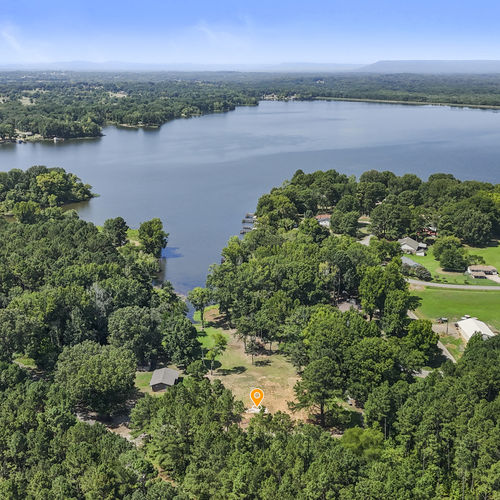


How to Buy a Home in Arkansas Step by Step
Buying a home always feels bigger than it actually is once you break it into steps. Whether you're moving across town in Cabot or relocating to Central Arkansas from out of state, the process follows the same basic roadmap. Here's what actually happens, in order, from your first phone call to a lender to the day you get your keys.
Step 1: Get Pre-Approved Before You Look at Anything
This is the step people skip, and it's the one that causes the most heartache later. A pre-approval tells you what you can actually borrow, not what you hope you can borrow, and it tells sellers you're a serious buyer.
Mortgage rates are moving right now — the 30-year fixed sits around 6.78% as of early September 2026, with 15-year fixed loans closer to 5.96%. Your lender will lock in a rate and give you a pre-approval letter, usually good for 60-90 days.
A few things to have ready before you call a lender:
- Two years of tax returns and W-2s (or 1099s if you're self-employed)
- Recent pay stubs and bank statements
- Your credit score in the ballpark you expect — ask your lender what it takes to qualify for your target loan type
Step 2: Find a Realtor Who Knows Your Market
Once you know your budget, the next call should be to a Realtor who works your target area day in and day out. Central Arkansas is not one market — Cabot, Searcy, Beebe, Lonoke, Sherwood, North Little Rock, and Little Rock each move differently on price, inventory, and days on market. You want someone who can tell you, without looking it up, whether a listing is priced right for its street.
Step 3: Go Look at Houses (With a Plan)
This is the fun part, but it works better with a short list of non-negotiables going in: bedroom count, commute distance, school zone (more on that below), lot size, and hard deal-breakers like a busy road or no garage. Walk through with your Realtor, not just a listing photo gallery — photos hide a lot.
On schools: Arkansas real estate agents aren't able to personally rate or compare specific schools for you — that's a compliance line we don't cross. Instead, use the state's own tools to research any district or attendance zone yourself:
- Arkansas Department of Education School Report Card site (myschoolinfo.arkansas.gov)
- GreatSchools.org
- The school district's own attendance-zone map
Step 4: Make an Offer and Put Down Earnest Money
When you find the right house, your Realtor writes an offer that includes price, contingencies (inspection, financing, appraisal), and a closing date. Alongside the offer, you'll put down earnest money — a good-faith deposit that shows you're serious.
In Central Arkansas, earnest money typically runs $1,000-$5,000, or roughly 1-2% of the purchase price, whichever your offer specifies. It's held in escrow, usually by a title company, and gets applied to your closing costs at the finish line. If you back out for a reason your contract allows — a failed inspection, denied financing, a low appraisal — you get it back. If you back out for no covered reason, you can lose it.
Step 5: Home Inspection and Appraisal
Once your offer is accepted, you'll typically have 7-10 days to complete a home inspection. This is your chance to find out what's really going on with the roof, foundation, HVAC, and everything in between, and to negotiate repairs or a price adjustment if something turns up.
Your lender will also order an appraisal to confirm the home is worth what you're paying. If it comes in low, you, the seller, or both will need to work out the gap.
Step 6: Understand What You're Buying — Arkansas Disclosure Rules
Arkansas doesn't require sellers to fill out a state-mandated disclosure form — it's a caveat emptor ("buyer beware") state by law. That said, licensed Realtors still carry a duty under Arkansas Real Estate Commission rules to make reasonable efforts to find out and disclose facts material to a property's value or desirability. In practice, roughly 70% of Arkansas Realtors use the Arkansas Realtors Association's voluntary ~60-question Seller Property Disclosure form, so most buyers do see a fairly thorough written disclosure even though it isn't legally required. Ask your agent whether the seller completed one, and read it closely alongside your inspection report.
Step 7: Closing Costs and Closing Day
Buyers in Arkansas typically pay a little under 1% of the purchase price in closing costs — think appraisal and inspection fees, title insurance, lender fees, and prepaid items like property taxes and homeowners insurance. On a $250,000 home, that's roughly $2,000-$2,500 on top of your down payment, though it varies by loan type and lender.
At closing, you'll sign a stack of documents, wire your remaining funds, and walk away with keys. Most Arkansas transactions close 30-45 days after an offer is accepted, depending on your loan type and how quickly appraisal and title work move.
Ready to Start Looking?
Every one of these steps goes smoother with the right Realtor walking through it with you, from the first pre-approval conversation to the final signature. If you're thinking about buying in Cabot, Searcy, Lonoke, or anywhere in Central Arkansas, reach out to Michelle Plant at Blair & Co. Realtors for a no-pressure buyer consultation — let's talk about your budget, your must-haves, and what's actually available right now.
- Mortgage Rates Today: 30-Year 6.78% — Sep 4, 2026
- Average closing costs in Arkansas — Rocket Mortgage
- Earnest Money Arkansas Rules: Lonoke Buyer's Guide
- Is Property Condition Disclosure Required by Law? — Arkansas Real Estate Commission
Check out this article next